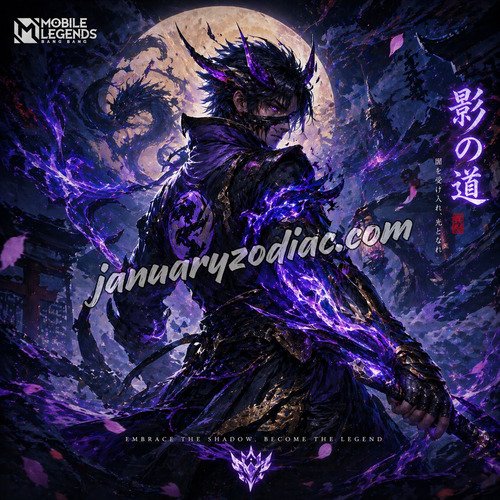
januaryzodiac.com – Mobile Legends has earned worldwide popularity thanks to its fast-paced battles, diverse roster of heroes, and constantly evolving meta. Every hero introduces different possibilities, allowing players to approach the game with various strategies and playstyles. Whether someone enjoys initiating teamfights, dealing explosive damage, or supporting allies from behind, there is always a hero that fits their preferred approach.
What makes Mobile Legends especially interesting is that victory rarely depends on a single factor. Individual mechanics certainly matter, but understanding hero roles, coordinating with teammates, and making intelligent decisions are equally important. Players who invest time in learning how heroes function throughout the game often gain a significant advantage over those who focus exclusively on eliminations.
Heroes are divided into several categories based on their primary roles. Tanks provide protection, fighters offer flexibility, assassins specialize in burst damage, mages control engagements, marksmen supply consistent damage, and supports strengthen their teammates. These roles interact with one another to create a balanced and strategic experience that rewards teamwork and adaptability.
Understanding the Characteristics of Different Hero Roles
Tank heroes serve as the defensive backbone of most team compositions. Heroes such as Tigreal, Atlas, Khufra, and Minotaur are designed to withstand heavy damage while disrupting enemy formations through crowd-control abilities.
Playing as a tank requires patience and awareness. A tank player must know when to engage, when to retreat, and how to position effectively. Charging into battle without considering teammates often leads to unnecessary losses, while proper timing can create opportunities that result in successful teamfights.
Tanks also play a crucial role in protecting vulnerable allies. Marksmen and mages frequently rely on tanks to absorb incoming damage and prevent enemy assassins from reaching them. During objective contests, tanks often determine the outcome by controlling enemy movements and creating space for teammates.
Although tanks rarely top the damage charts, their influence on the game is undeniable. Their presence allows other heroes to perform at their best and gives the team a solid foundation.
Fighters and Their Exceptional Versatility
Fighter heroes are known for their balance between offense and defense. Heroes like Yu Zhong, Terizla, Arlott, and Lapu-Lapu are capable of dealing substantial damage while surviving prolonged engagements.
Most fighters spend the early game in the EXP lane, where they focus on gaining experience and preparing for larger battles. Their ability to sustain themselves makes them difficult opponents in one-on-one situations and valuable contributors during teamfights.
One of the greatest advantages of fighters is their flexibility. Depending on the circumstances, they can act as initiators, split pushers, or secondary frontliners. This adaptability makes them useful in many different team compositions.
Successful fighter players understand the importance of timing. Entering battles too early or pursuing enemies recklessly can quickly turn favorable situations into costly mistakes. Learning when to commit and when to disengage is essential for maximizing their effectiveness.
Assassins and Their High-Risk, High-Reward Playstyle
Assassin heroes are among the most exciting characters in Mobile Legends because of their mobility and burst damage. Heroes such as Ling, Gusion, Hayabusa, and Nolan specialize in eliminating vulnerable targets before they can react.
However, assassins require exceptional map awareness and decision-making. Their low durability means that mistakes are often punished severely. Players who rely solely on aggression without considering positioning usually struggle to achieve consistent success.
Effective assassin players carefully observe enemy movements and wait for the perfect opportunity to strike. Eliminating enemy marksmen or mages before a teamfight begins can dramatically shift the balance in favor of their team.
Because of their demanding playstyle, assassins reward patience, practice, and precise execution. Mastering them often requires significant experience and a deep understanding of the game.
Hero Performance Throughout Different Stages of the Match
The early game is focused on securing gold and experience while establishing control over lanes and jungle areas. Heroes with strong early-game capabilities often attempt to pressure opponents and create advantages through aggressive rotations.
At the same time, scaling heroes prioritize farming and avoiding unnecessary confrontations. Building a strong economic foundation during this phase is essential for achieving success later in the match.
Wave management and efficient rotations are particularly important because small advantages can eventually grow into significant leads. Players who maintain discipline during the opening minutes often find themselves in stronger positions during the mid game.
Understanding the strengths and weaknesses of different heroes during the early phase allows teams to develop strategies that maximize their potential.
Mid Game and the Importance of Objectives
As teams begin grouping together, the mid game becomes increasingly centered around objectives. Turtle fights, turret pushes, and jungle invasions become common occurrences that require coordination and communication.
Heroes with strong crowd control and mobility excel during this stage because they can influence multiple areas of the map. Tanks initiate engagements, fighters provide sustained pressure, and assassins search for opportunities to eliminate key targets.
Successful teams understand that objectives are often more valuable than kills. Destroying turrets and securing neutral objectives creates lasting advantages that strengthen the entire team.
Adaptability is particularly important during the mid game. Players who recognize changing circumstances and adjust their strategies accordingly are more likely to maintain control of the match.
Late Game and the Importance of Positioning
Late-game encounters are often the most intense moments in Mobile Legends. With most heroes approaching full builds, damage output becomes extremely high, and a single mistake can determine the winner.
Marksmen and mages become the primary sources of damage, making their survival a top priority. Tanks and supports must work together to protect these heroes and prevent enemy assassins from disrupting their positioning.
Patience and discipline become increasingly important during this phase. Rushing into unfavorable situations can quickly result in defeat, especially when respawn timers are long.
Vision control and Lord management frequently determine the outcome of late-game scenarios. Teams that coordinate effectively and remain calm under pressure usually have a better chance of securing victory.
Understanding Matchups and Synergies
One of the most valuable skills in Mobile Legends is understanding how heroes interact with one another. Some heroes complement each other exceptionally well, while others naturally counter specific opponents.
Learning these relationships helps players make better decisions during drafting and improves their ability to adapt during matches. Synergy between heroes often creates opportunities that individual strength alone cannot provide.
Players who invest time in studying matchups generally become more versatile and capable of handling a wider variety of situations.
Adapting Item Builds to Different Challenges
Itemization is a critical component of hero mastery. Following identical builds every game can be limiting because enemy compositions and match conditions vary significantly.
Experienced players modify their item choices according to the threats they face. Defensive items may be necessary against burst-heavy opponents, while offensive items can help secure advantages and increase damage output.
Flexible itemization demonstrates a deeper understanding of the game and allows players to respond effectively to changing situations.
Strengthening Communication and Team Coordination
Although individual skill is important, Mobile Legends remains a team-based game. Communication and cooperation are essential for securing objectives, coordinating teamfights, and responding to enemy movements.
Players who communicate effectively and support their teammates often create stronger and more consistent performances. Positive teamwork transforms individual talent into collective success and helps teams overcome difficult situations.
Strong communication also reduces mistakes and improves overall efficiency, making it one of the most valuable aspects of competitive play.
Conclusion The Unique Strengths of Mobile Legends Heroes and How They Shape Every Match
Mobile Legends heroes offer a remarkable combination of diversity, strategy, and excitement. Every role contributes something valuable to the team, creating a balanced ecosystem where cooperation and adaptability are essential.
Tanks provide protection, fighters deliver versatility, assassins create pressure, mages influence battles, marksmen supply consistent damage, and supports ensure the survival of their allies. Together, these roles form the foundation of successful team compositions.
Ultimately, mastering Mobile Legends heroes requires more than learning abilities and item builds. It demands strategic thinking, effective communication, and a willingness to adapt to different situations. Players who embrace these principles will not only improve their performance but also gain a deeper appreciation for the complexity and excitement that make Mobile Legends one of the most engaging mobile games in the world.